All Categories
Featured
Table of Contents
Typically, cloud spending plans swell due to ineffective capacity preparation. Take benefit of long-lasting discount schemes used by cloud providers.
Guarantee that auto-scaling settings are finely tuned to manage demand changes properly, thus removing excessive production headroom. Routine examinations of your cloud architecture and code can help recognize inefficiencies that might cause unnecessary resource intake. Continually improve these elements for much better performance and cost-effectiveness. Before adopting any cloud service, have a distinct understanding of your organizational needs.
Carefully review licensing agreements and integrate them with your operational schedules to prevent resource waste. Invest in systems that allow you to track demand gradually, helping with proactive management of resource scaling. By implementing these methods, organizations can successfully manage cloud costs, making sure that financial investments yield anticipated returns without financial surprises.
Tactics to Achieve Total Infrastructure Visibility in 2026
Understanding the dangers and considerations included is essential for an effective shift. Lots of tradition applications are deeply ingrained with mission-critical functions and intricacies that have established in time. Transitioning these systems to the cloud can be risky if not managed thoroughly. Cloud Service Providers (CSPs) might not have the essential technology to seamlessly support older systems, specifically in direct lift-and-shift situations.
Existing IT staff might do not have the essential know-how in cloud innovations, leading to possible mistakes. An extensive understanding of system dependencies is typically missing, increasing the danger of disturbances during migration. The danger of information loss due to transmission failures, software application or hardware concerns, and human errors remains a substantial issue.
Evaluate the benefits and drawbacks of various migration options such as lift-and-shift versus rearchitecting, tailored to your particular needs. Implement training programs and staffing strategies to bridge the skills space within your IT labor force. Develop a formal configuration management procedure to catch service services and dependencies, ensuring a smooth shift.
Guarantee data complies with retention policies to prevent loss. If cost savings drive cloud migration, verify how the relocation impacts the financial balance sheet in the current reality.
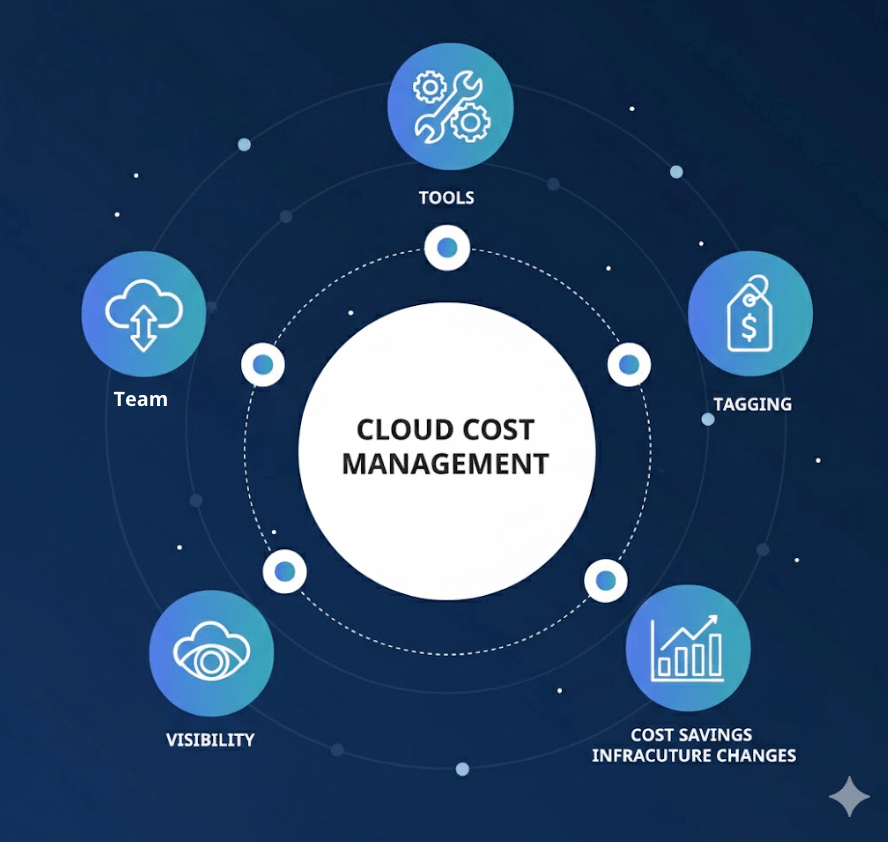
Why IT Management Stays Essential for 2026 ROI
In most cases, security events may go unnoticed or unreportedmaking proactive management a difficulty. To address this, it is necessary to implement services that offer clear, real-time insights into your cloud security environment. Many major cloud companies use native Cloud Security Posture Management (CSPM) tools, providing functions such as signals for unapproved information access, suspicious account activity, and other cyber hazards.
For organizations running in hybrid or multi-cloud environments, think about the following methods: Take advantage of specialized third-party solutions created to supply unified visibility throughout all your environmentsnot simply within a single company. Incorporate your security tools so you can find, examine, and respond to security incidents from a single dashboard, regardless of where they originate.
By embracing a thorough and integrated method, companies can keep robust visibility over their security posture, no matter how complicated their cloud footprint becomes.: Gain complete oversight of your cloud ecosystem by leveraging a security platform that incorporates both agent-based and agentless tracking. This dual approach allows organizations to monitor all assetswhether or not software application representatives can be deployedthrough a single, structured interface.
: Try to find solutions that offer holistic presence into work, configurations, and gain access to habits throughout your cloud facilities. This empowers you to recognize blind areas, react quickly to incidents, and keep a consistent security posture despite where your assets residepublic cloud, personal cloud, or hybrid setups. By consolidating presence and management, companies can simplify security procedures, decrease functional overhead, and better guarantee that their entire cloud estate remains protected and well-governed.
In a lot of cases, security incidents may go unnoticed or unreportedmaking proactive management an obstacle. To resolve this, it's important to carry out options that provide clear, real-time insights into your cloud security environment. Most major cloud providers provide native Cloud Security Posture Management (CSPM) tools, delivering functions such as informs for unauthorized information access, suspicious account activity, and other cyber dangers.

Refining Cloud Allocation to Curb Excess IT Spending
For companies running in hybrid or multi-cloud environments, think about the following methods: Take advantage of specialized third-party services developed to provide unified presence across all your environmentsnot simply within a single supplier. Integrate your security tools so you can detect, investigate, and react to security incidents from a single control panel, regardless of where they originate.
By embracing a comprehensive and integrated method, companies can maintain robust presence over their security posture, no matter how complicated their cloud footprint becomes.: Gain complete oversight of your cloud environment by leveraging a security platform that incorporates both agent-based and agentless monitoring. This dual technique enables organizations to keep track of all assetswhether or not software application agents can be deployedthrough a single, streamlined interface.
: Try to find services that use holistic exposure into work, configurations, and gain access to habits throughout your cloud infrastructure. This empowers you to determine blind spots, react promptly to events, and preserve a constant security posture despite where your possessions residepublic cloud, private cloud, or hybrid setups. By combining exposure and management, organizations can simplify security procedures, decrease operational overhead, and better ensure that their entire cloud estate stays safeguarded and well-governed.

Latest Posts
How to Control IT Expenditures in 2026
Refining Resource Allocation to Reduce Unnecessary IT Spending
Mastering Cost Excellence in Multi-Cloud Systems