All Categories
Featured
implies the maximum work your resources can manage within a timeframe, from group working hours to devices production limits. measures what portion of that capacity you're actually using productively. Professional services companies normally target 70-85%pressing beyond 85% typically triggers burnout while staying below 70% suggests wasted capacity. is what you offer up when picking one choice over another.
takes place when you can't reallocate resources to enhance one area without making another area worse. The metrics driving better choices start with planned versus real hours, exposing how properly you estimate work. tracks how rapidly you're using funds compared to your timeline. shows whether employee are over or underused.
Picking the right allowance approach can imply the distinction between smooth execution and constant firefighting. Different frameworks match different situationsunderstanding your alternatives assists you pick what works for your team and job intricacy. Priority-based designs use a straightforward approach. deals with requests in arrival ordersimple but possibly inefficient for urgent work.
Resource leveling and smoothing methods balance work without overcommitting your team. Resource leveling adjusts timelines based on offered people and devices, avoiding the error of scheduling three individuals for work needing five.
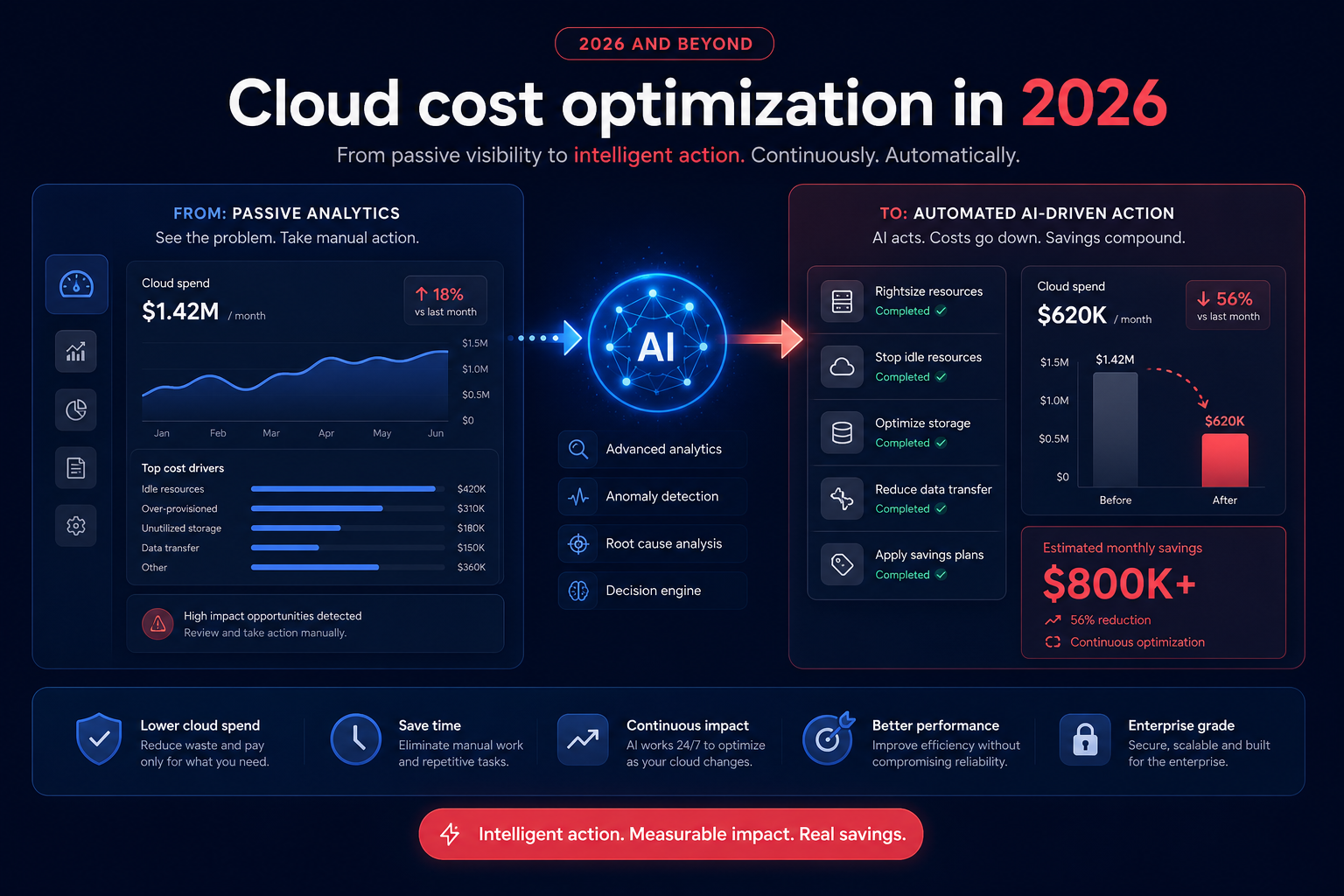
The Role of Automated Cost Management
Building business use leveling to prevent double-booking competent employees across task websites, while logistics firms use smoothing to optimize delivery schedules during peak seasons without extending customer dedications. Algorithmic methods take a more automated technique utilizing mathematical models. cycles through available resources methodically, making sure reasonable distribution but potentially neglecting priorities.
Is Current Enterprise Budget Prepared for 2026?considers numerous variables simultaneouslylike CPU usage, memory, and execution timemaking it popular in cloud computing.Deep Reinforcement Learning frameworks adapt to changing conditions in real-time, handling complex issues that would overwhelm standard approaches. starts fresh each planning cycle, needing justification for each request. This works well when eliminating waste or redirecting resources toward brand-new concerns. Your choice depends upon numerous aspects: smaller sized tasks typically take advantage of priority-based models due to simplicity, while big operations with complicated dependences might need algorithmic approaches. Production and building and construction generally prefer leveling strategies, whereas tech companies typically carry out automated approaches for cloud resources and development teams. Smart resource allowance needs deliberate action. This five-step method assists you maximize your individuals, spending plan, and tools without the usual headaches. Before you appoint a bachelor or dollar, get clear on what success looks like. Align your resource decisions with both task objectives and broader business goals. This means understanding not just what requires doing, but why it matters to your company. Strategic preparing now avoids costly modifications later on when team members have actually currently committed to tasks. Think about this stage as mapping your journey before setting out. It takes a little time in advance however conserves many incorrect turns later on. Take sincere inventory of what you actually have. This consists of individuals and their skills, accessibility windows, devices, budget plan constraints, and sensible timelines. Don't overlook the obvious things that thwart jobs, such as trips, training sessions, and other dedications pulling people far from your work. We've all experienced the aggravation of finding a key group member will be not available right when you need them most. Good accessibility tracking prevents these surprises. Now for the tactical matching video game. Using effective workforce scheduling tools can assist you visualize how resources stream through your timeline, making traffic jams obvious before they become expensive issues. Draw up task reliances and identify your project's crucial path. Gantt charts assist you picture how resources stream through your timeline, making traffic jams obvious before they become pricey problems. This isn't practically performance. It has to do with developing conditions where your team can do their finest work. Establish real-time monitoring using project management dashboards. Track metrics that really matter: prepared versus actual hours, budget burn rate, and task conclusion percentages. Constant tracking captures issues while you can still repair them cheaply. Little course corrections avoid the need for major rescues later on. This continuous visibility assists everyone comprehend how their work links to the bigger image. Resource choices require regular updates. Schedule regular evaluations to assess what's working and what isn't. Look for patterns in overruns, delays, or resource conflicts that duplicate throughout projects. Nevertheless, repairing it doesn't require upgrading your entire technique. Smart resource preparation helps you do more with what you already have. Start by tracking your real resources: individuals, tools, time, and budget. Usage simple structures like MoSCoW or RICE to makechoices faster and remove guesswork from your planning. With constant evaluation, even intricate tasks remain on track and under budget. By making use of automated text messaging, Yourco ensures that everyone stays notified. When your non-desk workers need crucial details about shifts, emergency situation procedures, or resource accessibility, Yourco provides it quickly to their phones.

Latest Posts
How to Control IT Expenditures in 2026
Refining Resource Allocation to Reduce Unnecessary IT Spending
Mastering Cost Excellence in Multi-Cloud Systems